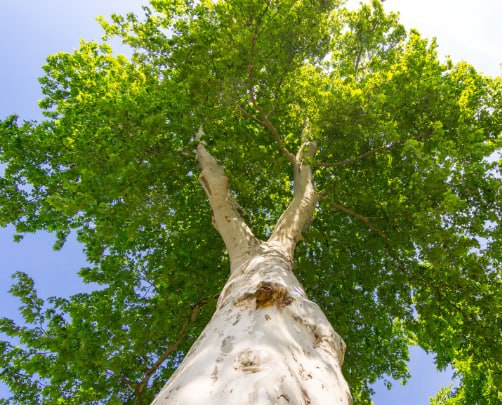
A large tree can be a valuable feature of a garden, providing shade, supporting wildlife and adding character to a property. However, when a tree becomes difficult to manage or raises concerns about safety, homeowners may wonder whether its size means it needs to be removed. In reality, height and spread alone are not enough to determine whether removal is necessary.
For property owners in Hastings, East Sussex, several factors should be considered before making a decision, including the tree’s health, structural condition, location and potential risks. A professional assessment can help establish whether a tree can remain safely in place or whether more substantial work may be appropriate.
Tree Health Matters More Than Height
A tall tree is not necessarily an unhealthy or dangerous tree. Many mature trees remain stable and continue to grow well when they have suitable growing conditions and are properly maintained.
By contrast, a smaller tree may present concerns if it has significant decay, damaged roots or a weakened trunk. These problems can affect its stability regardless of its overall height.
When assessing a tree, a tree surgeon will consider its general condition, the presence of dead or dying branches, signs of disease and any visible structural defects. These observations help determine whether the tree requires routine maintenance, more detailed investigation or possible removal.
Structural Defects Can Increase Risk
A tree’s structure plays an important role in determining whether it can remain in place. Cracks in the trunk, weak branch unions, extensive deadwood and signs of internal decay may indicate that parts of the tree have become compromised.
However, not every defect means a tree must be removed. Some issues can be managed through appropriate pruning or other targeted work, depending on their severity and the tree’s overall condition.
A professional assessment helps distinguish between defects that can be managed and those that may create unacceptable risks. This avoids relying on appearance or size alone when deciding what action is appropriate.
The Tree’s Location Makes a Difference
The position of a tree can be just as important as its condition. A mature tree standing in an open garden may present different risks from one growing close to a house, driveway, footpath or frequently used outdoor area.
The assessment should consider what could be affected if a branch failed or the tree became unstable. Exposure to wind, the surrounding ground conditions and the presence of nearby structures can also influence the level of concern.
For homeowners in Hastings, understanding how a tree relates to its surroundings can help determine whether pruning, monitoring or removal is the most suitable option.
Root Condition and Ground Stability
A tree’s roots provide anchorage and help it absorb water and nutrients. If roots are damaged, decaying or affected by changes in the surrounding ground, the tree’s stability may be compromised.
Visible signs such as soil lifting around the base, newly exposed roots or a noticeable change in the tree’s position may warrant further investigation. However, these signs do not automatically confirm that removal is necessary.
A tree surgeon can assess visible root conditions and consider other evidence to determine whether the tree may be at risk. Where concerns are significant, further specialist advice may be appropriate.
Can Pruning Be an Alternative to Tree Removal?
In some situations, appropriate pruning can address particular concerns without removing the entire tree. Removing dead or damaged branches, for example, may improve the tree’s condition and reduce the risk associated with falling limbs.
Selective crown reduction may also be suitable where reducing the size or spread of a tree is justified by its condition and location. However, pruning should be carried out carefully, as excessive cutting can damage the tree and affect its long-term health.
The right approach depends on the species, condition and structure of the tree. Removal should not be assumed necessary simply because a tree has become large, particularly when suitable management options remain available.
Tree Disease and Declining Health
Some trees develop diseases or pest infestations that gradually weaken their structure. Other trees decline because of root damage, poor growing conditions or natural ageing.
The presence of disease does not always mean a tree must be removed. Some conditions can be managed, while others may require closer monitoring or more substantial intervention.
A professional assessment can help identify visible signs of declining health and determine whether the tree is likely to remain viable. This is particularly important when deterioration affects major branches, the trunk or the root system.
Why Professional Tree Assessment Is Important
Deciding whether to remove a tree requires more than judging how tall it has grown. Its health, structural integrity, surroundings and potential risks all need to be considered together.
At Hastings Tree Care, we can assess trees that are causing concern and explain whether maintenance, pruning or removal may be appropriate. Our aim is to help homeowners understand the condition of their trees and make informed decisions based on their individual circumstances.
Conclusion
Tree size alone does not determine whether removal is necessary. A large, healthy tree may be suitable to retain, while a smaller tree with serious structural defects may require attention. Factors such as root stability, disease, location and the potential consequences of branch or tree failure all influence the decision.
If you have concerns about a tree at your property in Hastings, East Sussex, contact Hastings Tree Care to arrange an assessment and discuss the most appropriate way to manage it.
Call us on: 01424 619092
Click here to find out more about Hastings Tree Care
Click here to complete our contact form and see how we can help with your trees needs.